Existing roof material
Compatibility and preparation differ between metal, aged membrane and asphaltic surfaces. A product approved for one surface is not a universal solution.
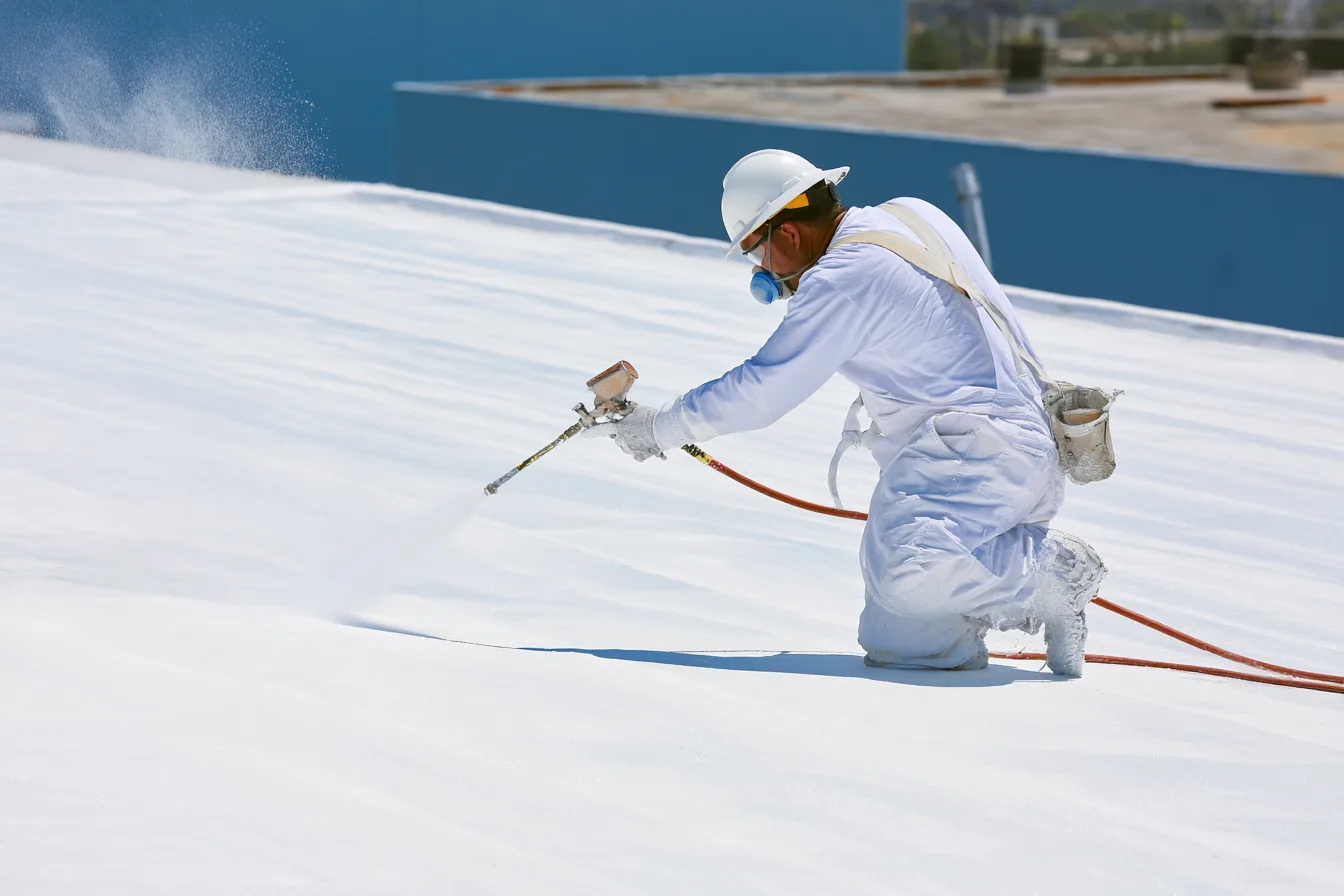
A roof coating can be useful restoration on the right commercial roof. The decision starts with the substrate, moisture and drainage, before the coating type or color.
A coating becomes part of the existing roof. It needs a sound surface to adhere to, repaired details and an assembly that is suitable to remain in service. If the roof below it is wet or unstable, a fresh finish doesn’t remove that problem.
That makes coating suitability a condition question. Moisture evaluation, adhesion testing and preparation matter because the new surface depends on what stays underneath.
On an Inola building, the roof system and operating environment also affect the choice. Metal, single-ply membrane and other surfaces do not all take the same preparation or coating.
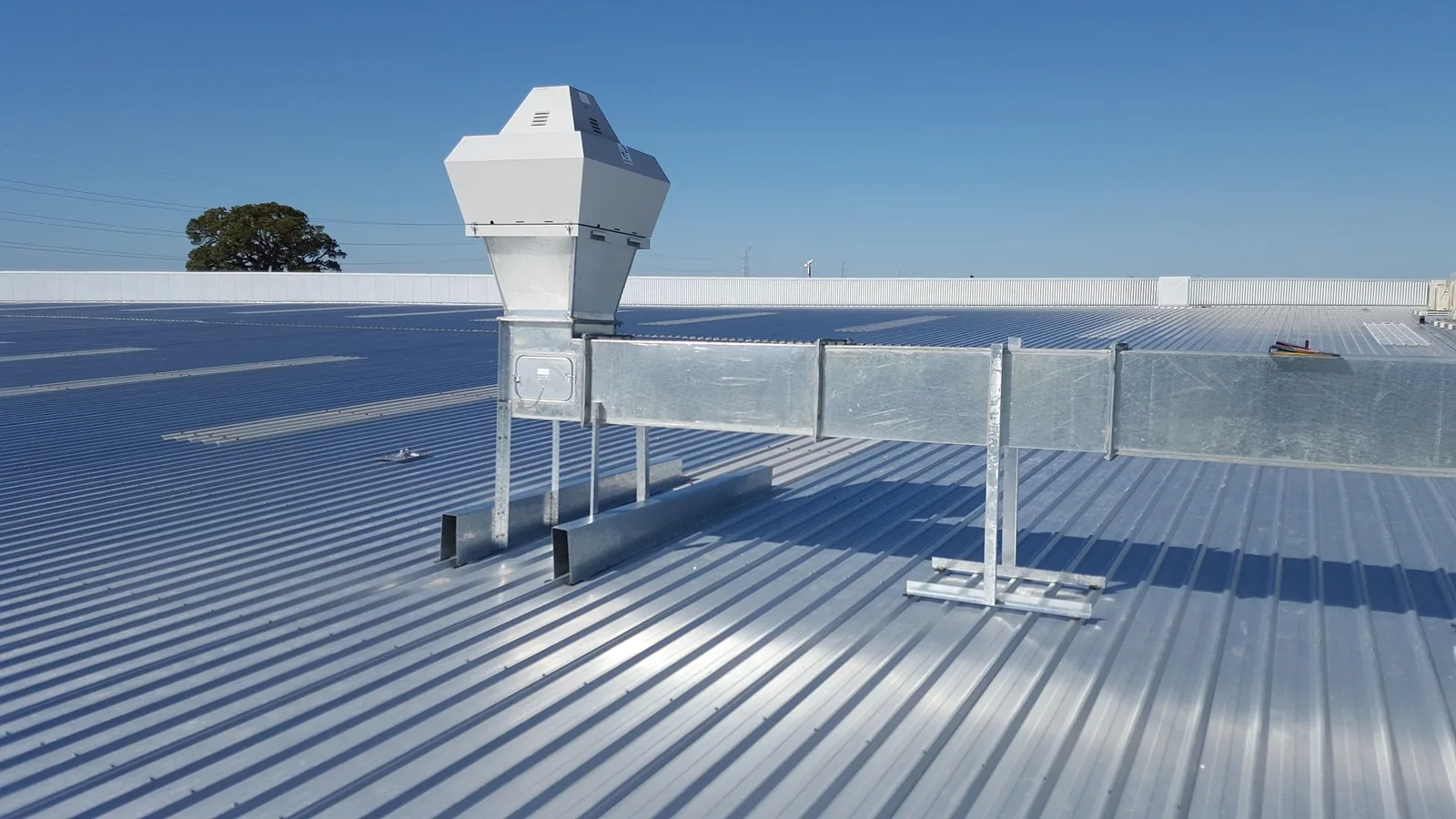
A manufacturer example of these requirements is GAF’s aged-TPO restoration guidance.
Cleaning removes material that interferes with bonding. Detail repairs address seams, fasteners and flashing. Primer and reinforcement, where specified, are part of the selected system. The required coating thickness then has to be achieved across the work.
A proposal described only as “coat the roof” leaves those decisions invisible. The work is a restoration assembly, not simply paint over a large surface.
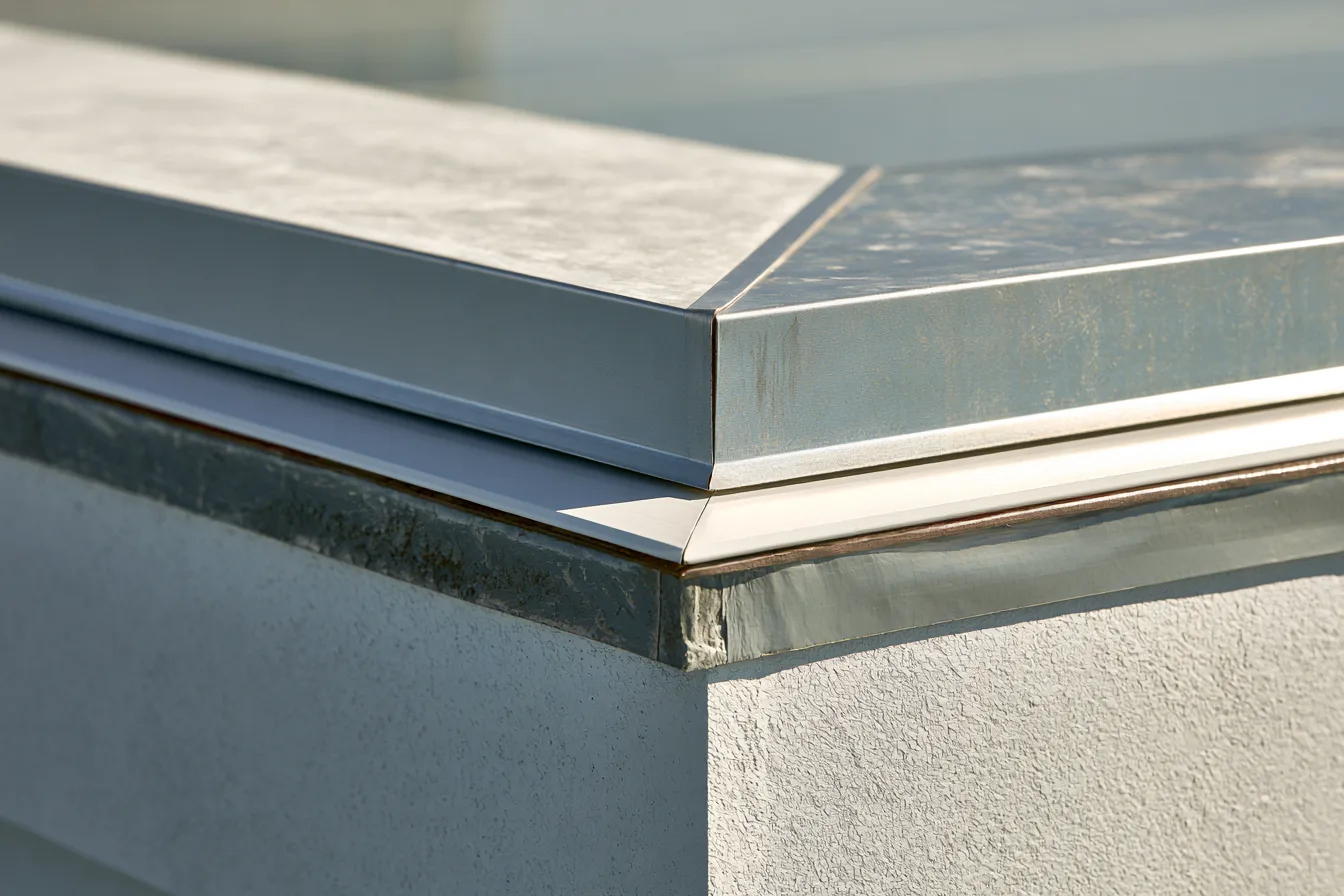
Coating chemistry and the roof’s use need to fit each other.
Compatibility and preparation differ between metal, aged membrane and asphaltic surfaces. A product approved for one surface is not a universal solution.
Drainage conditions, curing weather and manufacturer limitations matter to both installation and service.
Equipment traffic and maintenance affect how the finished surface is protected and cared for. A restoration plan should preserve access without assuming the coating tolerates every kind of work.
No. A coating can be part of a designed restoration, but open details, wet layers, structural issues and drainage problems need their own resolution. Its suitability has to be established first.
No. Restoration retains much of the existing assembly. Replacement removes and rebuilds more of it. The right comparison is what each scope solves on the actual roof.
There is no reliable blanket number for an unspecified roof. Existing condition, the complete coating system, installation and maintenance affect performance. Any offered warranty has its own terms.
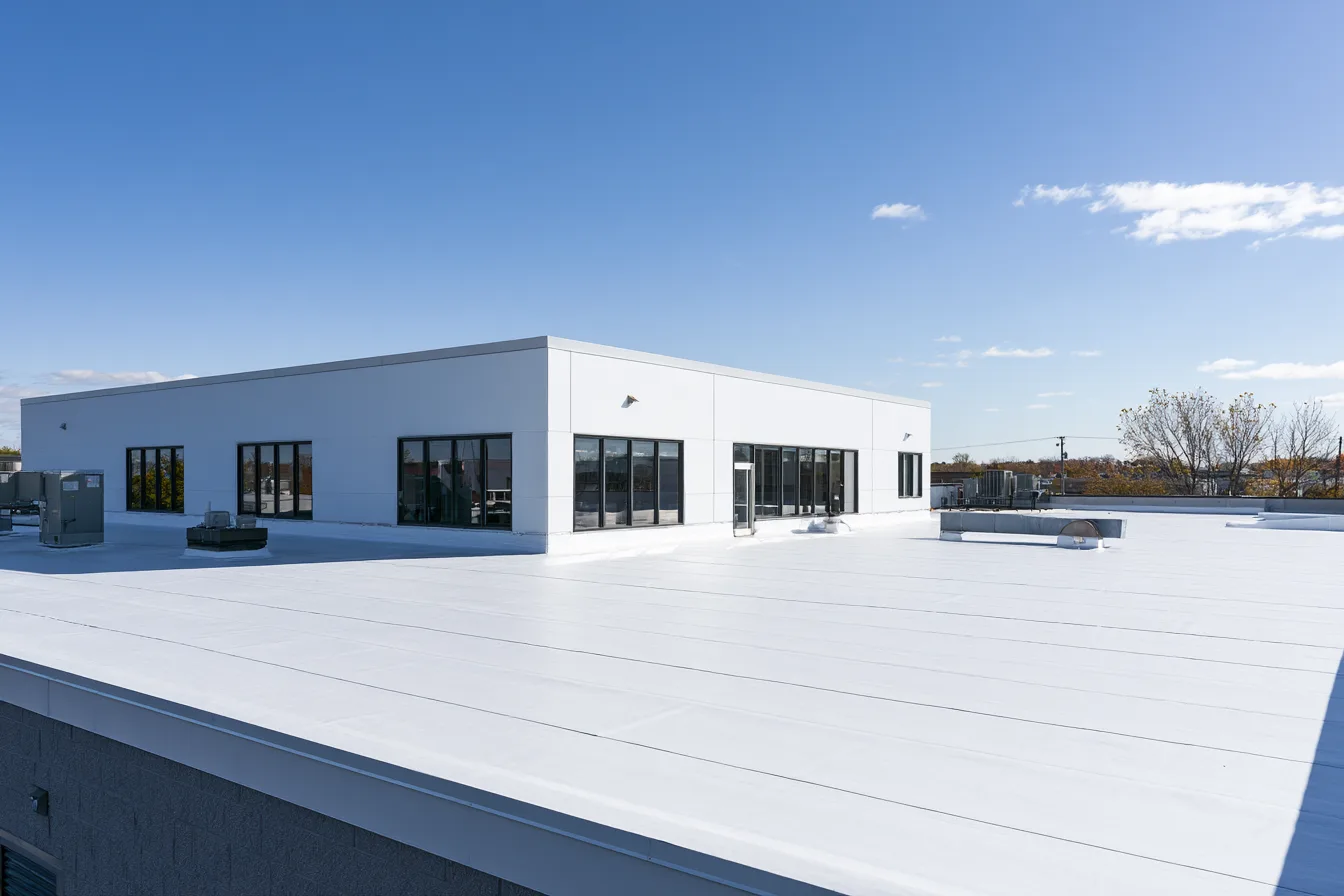
A free roof inspection is a useful start. Tell us the roof type, known leaks and what the building is used for.