The material around a repair
New shingles must connect to existing shingles without breaking them. A defined leak can still require a larger opening when the surrounding material has become brittle.
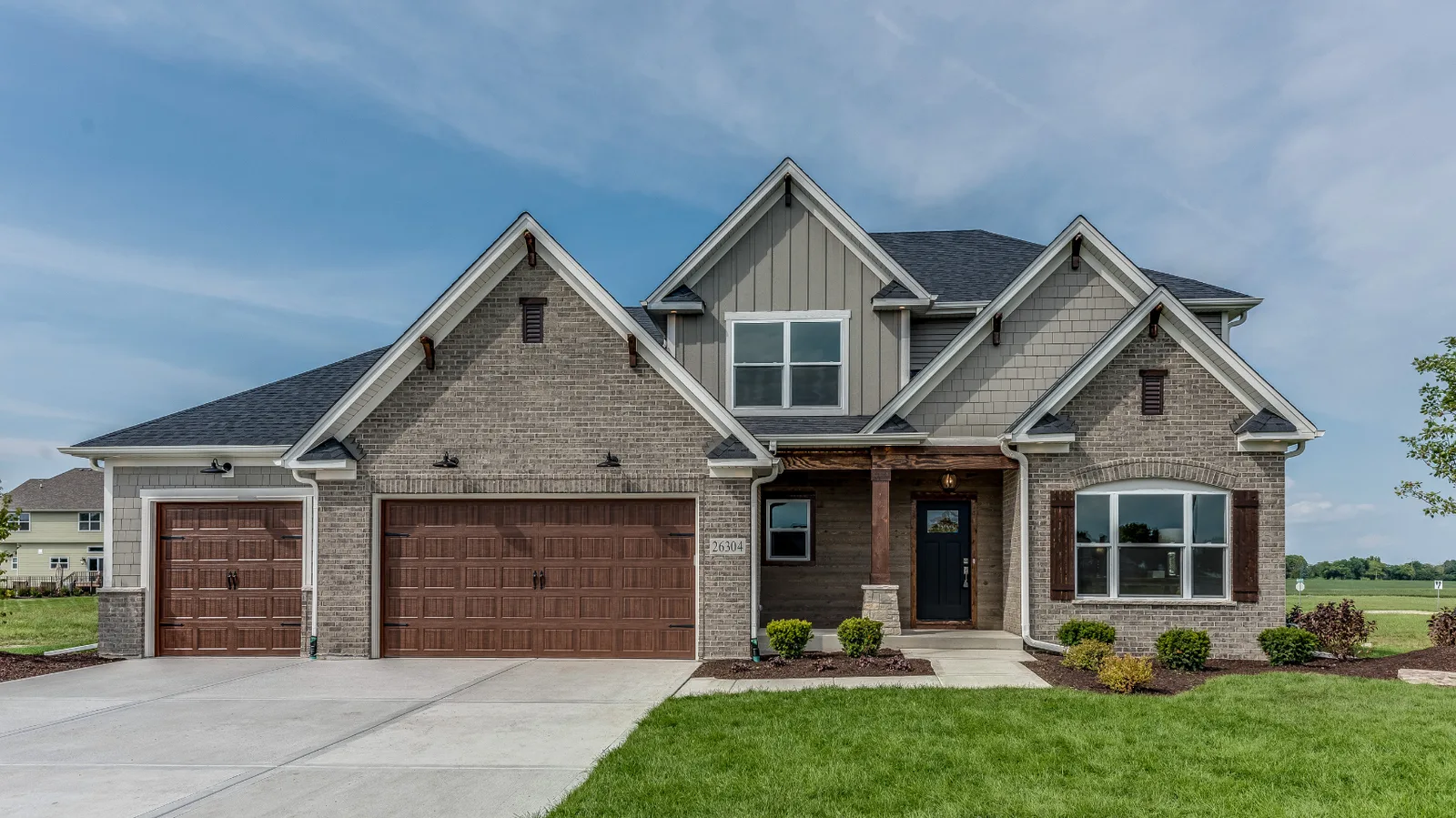
Repair, replacement and inspection help for Inola roofs. Start with the concern you have, then explore the work that fits it.
A water stain is a reason to investigate, not a specification for a new roof. A replacement project is bigger than choosing a shingle color. Roofing services work best when the first decision is the right one: what needs attention on this particular building?
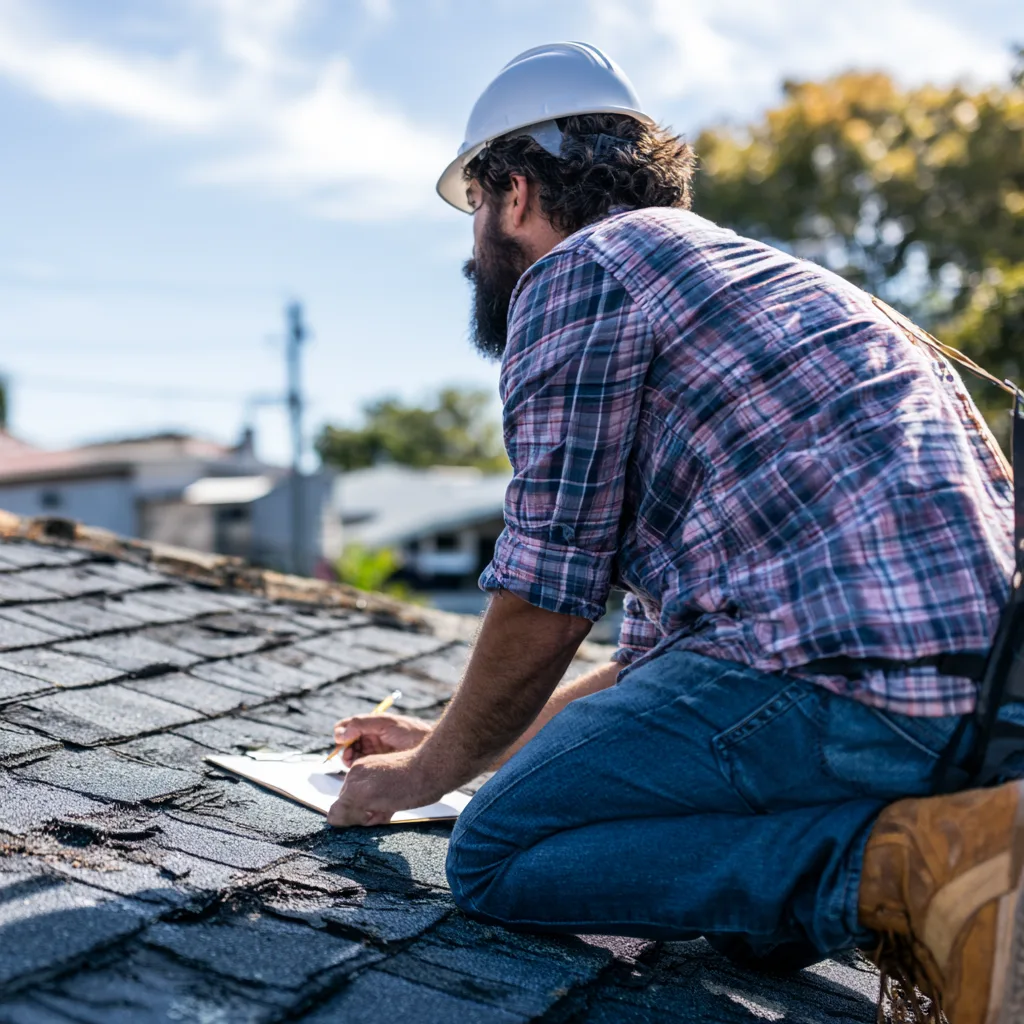
The free inspection gives that decision a starting point. A roofer walks the roof and looks at the concern in context. From there, repair and material choices can be discussed without treating every problem as the same job.
Rebuild the weather barrier and address the deck, flashing and ventilation details that support it.
Trace leaks and repair damaged components where the surrounding roof is still serviceable.
Get the roof looked at before deciding the size or type of work.
Understand wind and hail conditions, exposed areas and the next roofing step.
Compare three-tab, architectural and designer styles separately from performance ratings.
Understand panel attachment, movement and the details around roof openings.
The roofing material is only part of the answer. These details can change a straightforward-looking project.
New shingles must connect to existing shingles without breaking them. A defined leak can still require a larger opening when the surrounding material has become brittle.
A soft or water-damaged deck needs attention before it can support new roofing. Covering it would leave the underlying problem in place.
Low-slope surfaces and steep shingle slopes manage water differently. A material change needs an appropriate system, not simply a different top layer.
Commercial roofs have different drainage and access needs. Explore repair, TPO and coating options with the use of the building in mind.